
Ireland is a major hub for the pharmaceutical and biotechnology industries, with many companies conducting clinical trials both domestically and internationally. Clinical trial documents frequently require notarisation when submitted to foreign regulatory authorities, ethics committees, and partner institutions. This guide explains the notarisation requirements for clinical trial documentation.
Why Clinical Trial Documents Need Notarisation
When clinical trials are conducted across international borders, the regulatory authorities in each participating country require documents to be properly authenticated. Notarisation confirms the authenticity of corporate authorisations, the identity of signatories, and the validity of licences and certifications. Without proper authentication, regulatory submissions may be rejected, causing costly delays to trial timelines.
The Role of Notarisation in Clinical Trials
Clinical trial notarisation serves several functions:
- Authenticating the identity and authority of the trial sponsor
- Certifying copies of manufacturing licences and GMP certificates
- Notarising powers of attorney for regulatory representatives in foreign countries
- Authenticating ethics committee approvals for use in other jurisdictions
- Certifying investigator qualifications and CVs for foreign regulatory bodies

Watch: Hugh Phelan — Notary Public, Douglas, Cork
Key Documents Requiring Notarisation
- Powers of Attorney: Authorising local regulatory agents or contract research organisations (CROs) to act on behalf of the trial sponsor in foreign jurisdictions
- GMP Certificates: Good Manufacturing Practice certificates from the HPRA (Health Products Regulatory Authority) may need notarisation and apostille for foreign submissions (see our GMP certificates guide)
- Manufacturing Licences: Certified copies of Irish manufacturing authorisations for presentation to foreign regulators
- Corporate Documents: Certificates of incorporation and board resolutions authorising clinical trial activities
- Investigator CVs and Qualifications: Certified copies of medical qualifications and professional registrations
- Ethics Committee Approvals: Notarised copies of Irish ethics committee decisions for foreign regulatory submissions
- Insurance Certificates: Clinical trial insurance documentation for presentation to foreign authorities
Regulatory Bodies and Requirements
Different regulatory authorities have varying documentation requirements:
- EMA (European Medicines Agency): EU-wide requirements may apply, with some simplification under EU regulations
- FDA (US Food and Drug Administration): May require notarised documents for IND (Investigational New Drug) applications involving foreign sponsors
- PMDA (Japan): Japanese regulatory submissions often require notarised and apostilled documents with certified Japanese translations
- NMPA (China): Chinese authorities require full embassy legalisation for clinical trial documents
- CDSCO (India): Indian regulatory requirements include notarised and apostilled documents
The Notarisation Process
- Step 1: Identify which documents require notarisation based on the target regulatory authority's requirements.
- Step 2: Contact Hugh Phelan at (021) 489 7134 to arrange an appointment.
- Step 3: Bring original documents, corporate authorisations, and identification.
- Step 4: Notarised documents are sealed and signed.
- Step 5: Obtain apostille or embassy legalisation as required.
- Step 6: Arrange certified translation if required by the regulatory authority.
International Trial Considerations
For multi-country clinical trials, sponsors often need to notarise the same documents multiple times with different authentication chains for different countries. Planning ahead and discussing the full list of destination countries with Hugh Phelan at the outset can save time and ensure all documents are prepared correctly.
Cork's pharmaceutical cluster, including numerous multinational companies and CROs, means Hugh Phelan has extensive experience with clinical trial documentation requirements.
Cork's Pharmaceutical Cluster
Cork is home to one of the largest concentrations of pharmaceutical and biopharmaceutical manufacturing in Europe. Companies including Pfizer, Johnson & Johnson, Eli Lilly, MSD, and numerous others operate major facilities in the Cork region. These companies regularly conduct clinical trials internationally and require notarised documents for regulatory submissions worldwide.
Hugh Phelan's office in Douglas is conveniently located for Cork's pharmaceutical companies and has extensive experience with the specific documentation requirements of international regulatory submissions. The office understands the importance of regulatory timelines and can accommodate urgent notarisation requests.
Contract Research Organisation (CRO) Requirements
Ireland is also a major hub for CROs, which manage clinical trials on behalf of pharmaceutical sponsors. CROs frequently need notarised documents including powers of attorney, corporate authorisations, and regulatory submissions. Batch notarisation services are available for CROs handling multiple trials across different jurisdictions.
Common CRO documentation requirements include regulatory agent authorisations for multiple countries, authenticated site qualification packages, and notarised investigator agreements. Planning ahead and consolidating notarisation appointments can significantly improve efficiency for CROs managing multi-country programmes.
Frequently Asked Questions
What clinical trial documents need notarisation?
Common documents include powers of attorney, GMP certificates, manufacturing licences, corporate documents, investigator CVs, ethics committee approvals, and insurance certificates.
Do I need an apostille for clinical trial documents?
It depends on the destination country. Hague Convention members accept apostilled documents. Non-member countries require full embassy legalisation.
How long does the process take?
Notarisation is completed in one appointment. The apostille takes 2-5 working days. Embassy legalisation adds 1-3 weeks. Plan according to your submission deadline.
Can bulk notarisation be arranged?
Yes. Hugh Phelan regularly handles batch notarisations for pharmaceutical companies. Contact the office to discuss requirements.
Need Clinical Trial Documents Notarised?
Contact Hugh Phelan, Solicitor & Notary Public in Cork, for prompt professional notarisation and apostille guidance.
📚 Related Guides
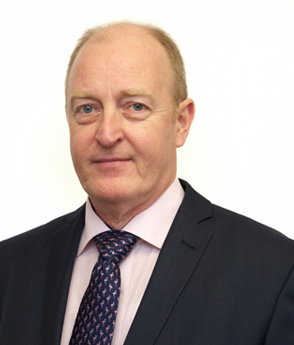
Hugh Phelan — Notary Public Cork
Solicitor & Notary Public appointed by the Chief Justice of Ireland. Over 20 years' experience. BCL (UCC), dual-qualified Ireland & England/Wales.
📍 Notary Public Cork — Hugh Phelan
Need a Notary Public in Cork? Hugh Phelan is a Solicitor & Notary Public appointed by the Chief Justice of Ireland, based at East Douglas Street, Douglas, Cork. Same-day appointments available.
Looking for a Notary Public in Cork?
Hugh Phelan is a Solicitor & Notary Public appointed by the Chief Justice of Ireland. Same-day appointments available.
Notary Public Cork — Book Now📞 +353-21-489-7134 · East Douglas Street, Douglas, Cork
Also see: Phelan Solicitors — Book Online