Switzerland is a major destination for Irish professionals, particularly in financial services, pharmaceuticals, and international organisations. Geneva, Zurich, and Basel attract significant numbers of Irish workers and companies. This guide explains how to get your Irish documents apostilled for Swiss authorities.
Why You Need an Apostille for Switzerland
Swiss cantonal and federal authorities require foreign documents to be authenticated. The apostille is the accepted form of authentication under the Hague Convention. Swiss authorities are thorough in their documentation requirements, and unapostilled documents will typically be rejected.
Switzerland and the Hague Apostille Convention
Switzerland has been a member of the Hague Apostille Convention since 11 March 1973. The apostille from the Irish Department of Foreign Affairs is fully recognised by Swiss federal and cantonal authorities.

Watch: Hugh Phelan — Notary Public, Douglas, Cork
Common Documents Requiring Apostille
- Employment Documents: Degree certificates, professional qualifications, and references for Swiss employers and cantonal migration authorities
- Residence Permit Documents: Birth certificates, marriage certificates, and supporting documents for B-permit or C-permit applications
- Corporate Documents: Certificates of incorporation, board resolutions, and company extracts for registration at the Swiss Commercial Register (Handelsregister)
- Powers of Attorney: For legal, property, and business representation
- Educational Certificates: For recognition by SERI (State Secretariat for Education, Research and Innovation) or Swiss universities
- Financial Documents: Bank references and audited accounts for business establishment
Employment and Residence Permits
Irish citizens (as EU/EFTA nationals under the bilateral agreements) have the right to live and work in Switzerland, but must obtain a residence permit from the cantonal migration office. The application typically requires authenticated personal documents including birth certificates and marriage certificates.
Professional qualifications may need to be recognised by SERI or the relevant professional body. Notarised and apostilled copies of your qualifications are essential for this process.
Translation Requirements
Switzerland has four official languages: German, French, Italian, and Romansh. The translation requirement depends on the canton:
- German-speaking cantons: Documents must be translated into German
- French-speaking cantons: Documents must be translated into French
- Italian-speaking cantons: Documents must be translated into Italian
Switzerland does not have a formal system of state-sworn translators at the federal level, but cantons may have their own requirements. Many Swiss institutions, particularly in international business contexts, accept English-language documents, but government and legal proceedings require translation into the relevant official language.
The Apostille Process
- Step 1: Book a notarisation appointment with Hugh Phelan at (021) 489 7134.
- Step 2: Attend with documents and passport.
- Step 3: Submit for apostille at the Department of Foreign Affairs (2–5 working days).
- Step 4: Arrange translation into the relevant Swiss official language if required.
- Step 5: Submit to the Swiss authority or employer.
Business Establishment in Switzerland
Switzerland's commercial register (Handelsregister/Registre du commerce) requires authenticated foreign documents for company registration. Irish companies establishing Swiss subsidiaries or branches need notarised and apostilled certificates of incorporation, board resolutions, and powers of attorney. The registration process varies by canton, and each cantonal commercial register may have specific additional requirements.
Switzerland is home to numerous international organisations, and Irish professionals working for the UN, WHO, CERN, or WTO in Geneva may need authenticated documents for employment and residency purposes. International organisations often have their own document requirements in addition to Swiss cantonal requirements.
Practical Tips
- Canton matters: Requirements vary by canton — confirm with the specific cantonal authority
- Language precision: Ensure translations match the canton's official language
- Banking: Swiss banks may require notarised and apostilled identification documents for account opening
- Property: Swiss property purchase regulations for foreign nationals are complex — authenticated documents are essential for any property transaction
- Professional recognition: SERI evaluates foreign professional qualifications — notarised documents are required for the application
Education in Switzerland
Swiss universities, including ETH Zurich, EPFL, and the University of Zurich, attract Irish postgraduate students and researchers. Admissions offices typically require notarised and apostilled copies of degree certificates and transcripts. SERI also handles the recognition of professional qualifications for regulated professions. Irish medical, legal, and engineering qualifications may need formal recognition through the relevant Swiss professional body, all requiring authenticated documentation.
Frequently Asked Questions
Is Switzerland part of the Hague Apostille Convention?
Yes. Switzerland has been a member since 11 March 1973. Irish notarised and apostilled documents are accepted by Swiss authorities.
Do I need a translation for Switzerland?
It depends on the canton. German-speaking cantons require German, French-speaking require French, Italian-speaking require Italian. Many business institutions accept English.
Can Irish citizens work in Switzerland?
Yes. Under the bilateral agreements, Irish citizens have the right to live and work in Switzerland. A cantonal residence permit is required, and you may need notarised documents for the application.
How long does the process take?
Notarisation is same-day. The apostille takes 2–5 working days. Translation depends on the language. Total is typically 1–3 weeks.
Need an Apostille for Switzerland?
Contact Hugh Phelan, Solicitor & Notary Public in Cork, for prompt professional notarisation and apostille guidance.
📚 Related Guides
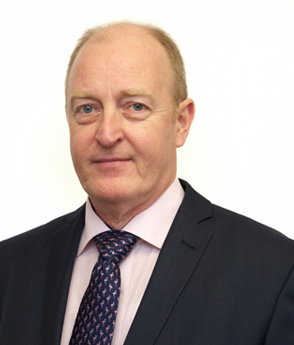
Hugh Phelan — Notary Public Cork
Solicitor & Notary Public appointed by the Chief Justice of Ireland. Over 20 years' experience. BCL (UCC), dual-qualified Ireland & England/Wales.
📍 Notary Public Cork — Hugh Phelan
Need a Notary Public in Cork? Hugh Phelan is a Solicitor & Notary Public appointed by the Chief Justice of Ireland, based at East Douglas Street, Douglas, Cork. Same-day appointments available.
Looking for a Notary Public in Cork?
Hugh Phelan is a Solicitor & Notary Public appointed by the Chief Justice of Ireland. Same-day appointments available.
Notary Public Cork — Book Now📞 +353-21-489-7134 · East Douglas Street, Douglas, Cork
Also see: Phelan Solicitors — Book Online