
Switzerland is one of Europe's most important financial and business centres, and it attracts a significant number of Irish professionals, particularly in banking, pharmaceuticals, technology, and international organisations. Despite not being an EU member state, Switzerland has bilateral agreements with the EU that allow Irish citizens to live and work there, subject to obtaining the appropriate permits.
Why Documents Need Notarisation for Switzerland
Swiss authorities require foreign documents to be authenticated before they can be accepted. Switzerland has been a member of the Hague Apostille Convention since 1973, meaning Irish documents notarised and apostilled are recognised without embassy legalisation.
Switzerland's federal structure means that requirements can vary between the 26 cantons. Each canton has its own administrative procedures, and some are more stringent than others regarding document requirements. It is always advisable to check the specific requirements of the canton you are dealing with.
The Apostille Process for Switzerland
After notarisation by Hugh Phelan, your document is submitted to the Department of Foreign Affairs (DFA) in Dublin for an apostille. The DFA verifies the notary's signature and seal and issues the apostille certificate. This apostille is fully recognised throughout Switzerland — no Swiss embassy involvement is required.

Watch: Hugh Phelan — Notary Public, Douglas, Cork
Language and Translation Requirements
Switzerland has four official languages: German, French, Italian, and Romansh. The language required for your documents depends on which canton you are dealing with:
- German-speaking cantons (Zurich, Bern, Basel, Lucerne, St. Gallen, and most others): Documents should be translated into German.
- French-speaking cantons (Geneva, Vaud, Neuchâtel, Jura): Documents should be translated into French.
- Italian-speaking canton (Ticino): Documents should be translated into Italian.
- Bilingual cantons (Fribourg, Valais, Bern): Either language may be accepted depending on the specific municipality.
Many Swiss institutions, particularly banks and international organisations, accept English-language documents. However, cantonal government offices and courts typically require translation into the relevant official language.
Common Documents Notarised for Switzerland
- Powers of Attorney: For banking, property transactions, and business management in Switzerland.
- Birth and Marriage Certificates: For registration with the Einwohnerkontrolle (residents' registration office), marriage applications, and family reunification.
- Criminal Record Certificates: Required for residence permit applications and employment in certain regulated sectors.
- Educational Certificates: For credential recognition by SERI (State Secretariat for Education, Research and Innovation) or cantonal education authorities.
- Corporate Documents: Board resolutions, certificates of incorporation, and articles of association for Swiss company formation (AG or GmbH) or branch registration at the Handelsregister (commercial register).
- Affidavits and Statutory Declarations: For Swiss court proceedings and administrative matters.
Employment and Residence Permits
Under the EU-Switzerland bilateral agreements, Irish citizens have the right to live and work in Switzerland. However, you must obtain a residence permit from the cantonal migration office (Migrationsamt/Office cantonal de la population). The type of permit depends on the nature and duration of your stay:
- L permit: Short-term residence (up to one year), renewable.
- B permit: Initial residence permit (five years for EU nationals).
- C permit: Permanent settlement permit (after five or ten years, depending on nationality agreements).
Notarised and apostilled documents typically required include birth certificates, marriage certificates (if applicable), criminal record certificates, and employment contracts or confirmation letters from your Swiss employer.
Banking and Financial Services
Switzerland's banking sector has strict know-your-customer (KYC) requirements. Opening a Swiss bank account, particularly for non-residents, requires verified identity documentation. Notarised and apostilled copies of your passport, proof of address, and source-of-funds declarations may be required by Swiss banks.
How to Get Started
Contact Hugh Phelan's office in Cork:
- Call (021) 489 7134 or email info@phelansolicitors.com
- Share any requirements from the Swiss institution, cantonal office, or bank
- Bring original documents and valid photo ID
Hugh Phelan is a Solicitor and Notary Public practising from East Douglas Street, Douglas, Cork. He holds a BCL from UCC, a Diploma in Notarial Law and Practice, and is dual-qualified as a solicitor in both Ireland and England & Wales. Appointed as a Notary Public by the Chief Justice of Ireland and commissioned for life.
Frequently Asked Questions
Is Switzerland part of the Hague Apostille Convention?
Yes. Switzerland has been a member of the Hague Apostille Convention since 1973. Irish documents notarised and apostilled are accepted by Swiss authorities without embassy legalisation.
Which language should my documents be translated into for Switzerland?
Switzerland has four official languages: German, French, Italian, and Romansh. The required translation language depends on which canton you are dealing with. German-speaking cantons (Zurich, Bern, Basel, Lucerne) require German translation. French-speaking cantons (Geneva, Lausanne, Vaud) require French. Italian-speaking Ticino requires Italian. Check with the receiving authority.
Can Irish citizens work in Switzerland?
Yes, but Switzerland is not an EU member state. However, under the bilateral agreements between Switzerland and the EU, Irish citizens (as EU nationals) have the right to live and work in Switzerland, subject to obtaining the appropriate residence permit. Notarised documents are typically required for the permit application.
Need Documents Notarised for Switzerland?
Contact Hugh Phelan, Solicitor & Notary Public in Cork, for prompt professional service with Swiss-bound documents.
📚 Related Guides
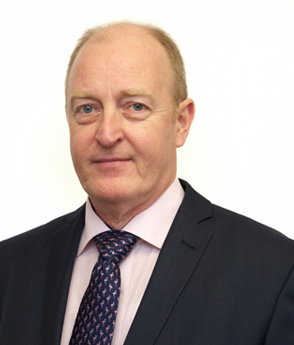
Hugh Phelan — Notary Public Cork
Solicitor & Notary Public appointed by the Chief Justice of Ireland. Over 20 years' experience. BCL (UCC), dual-qualified Ireland & England/Wales.
📍 Notary Public Cork — Hugh Phelan
Need a Notary Public in Cork? Hugh Phelan is a Solicitor & Notary Public appointed by the Chief Justice of Ireland, based at East Douglas Street, Douglas, Cork. Same-day appointments available.
Looking for a Notary Public in Cork?
Hugh Phelan is a Solicitor & Notary Public appointed by the Chief Justice of Ireland. Same-day appointments available.
Notary Public Cork — Book Now📞 +353-21-489-7134 · East Douglas Street, Douglas, Cork
Also see: Notary Cork City