
Denmark is a key trading partner for Ireland, with strong business links particularly in pharmaceuticals, technology, and renewable energy. Many Irish professionals relocate to Copenhagen and other Danish cities, while Irish companies maintain significant operations in Denmark. This guide explains how to get your Irish documents properly authenticated for Danish authorities.
Why Documents Need Authentication for Denmark
Danish public authorities (offentlige myndigheder), courts, and official bodies may require foreign documents to be authenticated before acceptance. For Irish documents, this involves notarisation by an Irish Notary Public and an apostille from the Department of Foreign Affairs. Denmark has a relatively pragmatic approach to document authentication, but formal legal proceedings and government submissions generally require the full apostille process.
Denmark and the Hague Apostille Convention
Denmark has been a member of the Hague Apostille Convention since 29 December 2006. The apostille issued by the Irish Department of Foreign Affairs is accepted by Danish authorities, eliminating the need for embassy legalisation. Note that Denmark's membership extends to metropolitan Denmark but not automatically to Greenland and the Faroe Islands, which may have separate requirements.

Watch: Hugh Phelan — Notary Public, Douglas, Cork
Common Documents Notarised for Denmark
- Employment Documents: Professional qualifications, degree certificates, and reference letters for Danish employers or the Danish Agency for International Recruitment and Integration (SIRI)
- Corporate Documents: Certificates of incorporation, board resolutions, and company extracts for registration with the Danish Business Authority (Erhvervsstyrelsen)
- Powers of Attorney: For legal, business, or property matters in Denmark
- Personal Documents: Birth and marriage certificates for obtaining a CPR number (civil registration number), which is essential for living and working in Denmark
- Educational Certificates: For recognition by the Danish Ministry of Higher Education and Science or for enrolment at Danish universities
- Financial Documents: Bank references and proof of funds for business or residency purposes
Business and Corporate Documents
Irish companies establishing operations in Denmark — whether through subsidiaries, branches, or partnerships — need authenticated corporate documents for registration with the Danish Business Authority. Key documents include certificates of incorporation, memoranda of association, board resolutions, and powers of attorney.
Denmark has a transparent and efficient business registration system (the Central Business Register, CVR), but it requires properly authenticated foreign documents. The Danish Business Authority may also require certified translations of certain documents.
Translation Requirements
Denmark does not have a formal system of sworn translators like some Central European countries. However, Danish authorities typically require translations to be done by a qualified professional translator. In practice, many Danish institutions accept documents in English without translation, particularly in business contexts, but government and court proceedings generally require Danish translations.
The Danish Association of State-Authorised Translators and Interpreters can help you find qualified translators. For court proceedings, a certified translation is typically required.
Step-by-Step Process
- Step 1: Confirm requirements with the Danish authority, employer, or your Danish legal representative.
- Step 2: Prepare original documents or certified copies.
- Step 3: Book an appointment with Hugh Phelan at (021) 489 7134 for notarisation at East Douglas Street, Douglas, Cork.
- Step 4: Submit notarised documents to the Department of Foreign Affairs for apostille (2–5 working days).
- Step 5: Arrange Danish translation if required by the receiving institution.
- Step 6: Submit the complete package to the relevant Danish authority.
See our apostille services page for guidance on the apostille process.
Residence Registration
As an EU citizen, you have the right to live in Denmark, but you must register with the local municipality (kommune) within a few days of arrival. The registration process at the International Citizen Service (ICS) or local Borgerservice office typically requires authenticated personal documents. Once registered, you receive a CPR number, which is essential for employment, banking, healthcare, and most daily activities.
Registration requirements vary slightly between municipalities, so it is advisable to check with the specific Borgerservice office where you will be registering. Having all documents notarised and apostilled before arrival in Denmark avoids delays in the registration process.
Practical Tips
- NemID/MitID: Denmark's digital identity system requires a CPR number first, which requires authenticated documents
- Banking: Danish banks require your CPR number and may need authenticated identification documents
- Healthcare: Access to the Danish healthcare system requires CPR registration
- Greenland and Faroe Islands: Separate authentication requirements may apply — check with the relevant authority
- EU regulation: Some civil status documents may benefit from simplified recognition under EU Regulation 2016/1191
Frequently Asked Questions
Is Denmark part of the Hague Apostille Convention?
Yes. Denmark has been a member since 29 December 2006. Irish notarised and apostilled documents are accepted by Danish authorities. Note that this may not automatically extend to Greenland and the Faroe Islands.
Do I need a Danish translation?
It depends on the receiving institution. Many Danish authorities and businesses accept documents in English. However, court proceedings and some government submissions require certified Danish translations.
What is a CPR number and do I need notarised documents to get one?
A CPR number is Denmark's civil registration number, essential for living and working there. You may need notarised and apostilled copies of your birth certificate and other personal documents for CPR registration.
How long does the process take?
Notarisation is completed in one appointment. The apostille takes 2–5 working days. If Danish translation is needed, allow additional time. Total turnaround is typically 1–2 weeks.
Need Documents Notarised for Denmark?
Contact Hugh Phelan, Solicitor & Notary Public in Cork, for prompt professional notarisation and apostille guidance.
📚 Related Guides
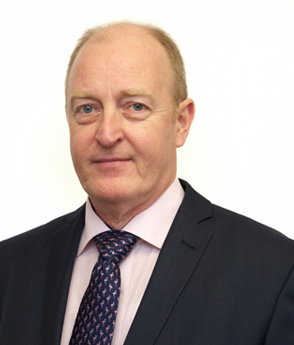
Hugh Phelan — Notary Public Cork
Solicitor & Notary Public appointed by the Chief Justice of Ireland. Over 20 years' experience. BCL (UCC), dual-qualified Ireland & England/Wales.
📍 Notary Public Cork — Hugh Phelan
Need a Notary Public in Cork? Hugh Phelan is a Solicitor & Notary Public appointed by the Chief Justice of Ireland, based at East Douglas Street, Douglas, Cork. Same-day appointments available.
Looking for a Notary Public in Cork?
Hugh Phelan is a Solicitor & Notary Public appointed by the Chief Justice of Ireland. Same-day appointments available.
Notary Public Cork — Book Now📞 +353-21-489-7134 · East Douglas Street, Douglas, Cork
Also see: Phelan Solicitors — Book Online