
Norway is a popular destination for Irish professionals, particularly in the oil and gas, maritime, technology, and fish farming sectors. Despite not being an EU member, Norway is part of the European Economic Area (EEA), giving Irish citizens the right to live and work there. However, Norwegian authorities require properly authenticated documents for immigration, employment, and business purposes.
Why Documents Need Authentication for Norway
Norwegian government agencies, including the Directorate of Immigration (UDI), the Tax Administration (Skatteetaten), and the Brønnøysund Register Centre, require foreign documents to be authenticated. For Irish documents, this means notarisation by an Irish Notary Public and an apostille from the Department of Foreign Affairs.
Norway and the Hague Apostille Convention
Norway has been a member of the Hague Apostille Convention since 29 July 1983. The apostille issued by the Irish Department of Foreign Affairs is fully recognised by Norwegian authorities, so no embassy legalisation is required. Although Norway is not an EU member, its EEA membership and Hague Convention status make the document authentication process straightforward for Irish citizens.
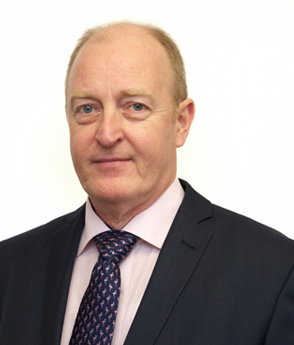
Watch: Hugh Phelan — Notary Public, Douglas, Cork
Common Documents Notarised for Norway
- Employment Documents: Degree certificates, professional qualifications, and trade certificates for Norwegian employers and NOKUT (the Norwegian Agency for Quality Assurance in Education)
- Personal Documents: Birth certificates, marriage certificates, and other civil status documents for registration with Skatteetaten and obtaining a D-number or national identity number (fødselsnummer)
- Corporate Documents: Certificates of incorporation, board resolutions, and memoranda of association for registration with the Brønnøysund Register Centre
- Powers of Attorney: For property transactions, legal proceedings, and business representation
- Maritime Documents: Certificates and qualifications for the maritime industry, which is a major employer of Irish professionals in Norway
- Financial Documents: Bank references and audited accounts for business purposes
Work and Residence in Norway
As an EEA citizen, you have the right to live and work in Norway. However, you must register with the police within three months of arrival and obtain a D-number or fødselsnummer from Skatteetaten. This registration process typically requires notarised and apostilled documents including:
- Birth certificate
- Marriage certificate (if applicable)
- Employment contract or proof of employment
- Educational qualifications (for certain professions)
Translation Requirements
Norway does not have a formal system of state-authorised translators. However, the Norwegian Association of State-Authorised Translators (Statsautoriserte translatører) provides a register of qualified translators. Many Norwegian authorities accept English-language documents, but translations into Norwegian (Bokmål or Nynorsk) may be required for court proceedings, property transactions, and some government submissions.
Step-by-Step Process
- Step 1: Confirm requirements with the Norwegian authority or your employer.
- Step 2: Gather original documents.
- Step 3: Book a notarisation appointment with Hugh Phelan at (021) 489 7134, East Douglas Street, Douglas, Cork.
- Step 4: Submit notarised documents for apostille (2–5 working days).
- Step 5: Arrange Norwegian translation if required.
- Step 6: Submit to the relevant Norwegian authority.
Maritime Industry in Norway
Norway's maritime sector is one of the largest in the world, and many Irish professionals work in Norwegian shipping, offshore oil and gas, and aquaculture. Maritime qualifications, seafarer certificates, and professional credentials frequently need notarisation for Norwegian Maritime Authority (Sjøfartsdirektoratet) requirements.
Cork's own maritime heritage means Hugh Phelan is familiar with the specific documentation needs of the maritime sector. See our maritime notarial services page for more information.
Practical Considerations
- EEA rights: As an EEA citizen, you can live and work in Norway without a visa, but must register
- Tax: Norway's tax system requires a D-number or fødselsnummer — authenticated documents are needed for registration
- Banking: Norwegian banks require identification documents, and some may require apostilled copies for foreign nationals
- Professional recognition: NOKUT evaluates foreign qualifications — notarised and apostilled copies are required
- Healthcare: Registering with the Norwegian healthcare system (helsenorge.no) requires your personal identity number, which in turn requires authenticated documents
Frequently Asked Questions
Is Norway part of the Hague Apostille Convention?
Yes. Norway has been a member since 29 July 1983. Irish notarised and apostilled documents are accepted by Norwegian authorities without embassy legalisation.
Do I need a visa to work in Norway as an Irish citizen?
No. As an EEA citizen, you have the right to live and work in Norway. You must register with the police within three months and obtain a D-number or fødselsnummer.
Do Norwegian authorities accept documents in English?
Many Norwegian authorities accept English-language documents. However, court proceedings and some official submissions may require certified Norwegian translations.
What is a D-number?
A D-number is a temporary identification number issued by Skatteetaten for people who do not qualify for a full fødselsnummer. It is used for tax, banking, and administrative purposes.
Need Documents Notarised for Norway?
Contact Hugh Phelan, Solicitor & Notary Public in Cork, for prompt professional notarisation and apostille guidance.
📚 Related Guides
Hugh Phelan — Notary Public Cork
Solicitor & Notary Public appointed by the Chief Justice of Ireland. Over 20 years' experience. BCL (UCC), dual-qualified Ireland & England/Wales.
📍 Notary Public Cork — Hugh Phelan
Need a Notary Public in Cork? Hugh Phelan is a Solicitor & Notary Public appointed by the Chief Justice of Ireland, based at East Douglas Street, Douglas, Cork. Same-day appointments available.
Looking for a Notary Public in Cork?
Hugh Phelan is a Solicitor & Notary Public appointed by the Chief Justice of Ireland. Same-day appointments available.
Notary Public Cork — Book Now📞 +353-21-489-7134 · East Douglas Street, Douglas, Cork
Also see: Notary Cork City